
Spring is when many homeowners start walking around the outside of the home again, looking for signs of winter wear and taking care of the small things before they become expensive repairs. It is the season for exterior maintenance, and gutters deserve a spot near the top of that checklist.
That is because gutters affect more than just the roofline. A well-working gutter system helps control how water moves off your roof and away from the house. When gutters are clogged, leaking, loose, or not draining properly, the effects can show up in other areas too, including the siding, foundation, and surrounding landscaping. The EPA specifically identifies gutters and downspouts that direct water into or under a building as a common source of moisture, which is one reason spring inspections matter.
Spring Rain Gutters’ seasonal maintenance calendar includes cleaning gutters and checking for leaks, inspecting the roof for damage, power washing siding and decks, checking windows and doors for air leaks, testing outdoor faucets and sprinklers, trimming trees and shrubs, resealing driveways and walkways, and inspecting the foundation for cracks or leaks. When you look at that list as a whole, it becomes clear that gutters are not a separate maintenance item. They are part of the bigger picture of protecting your home’s exterior.
Why Spring Gutter Maintenance Is Different From Winter Maintenance
A winter gutter checklist is mostly about preparation. Homeowners are trying to get ahead of snow, ice, and freezing temperatures. A spring gutter checklist is different. Spring is the time to inspect, clean, and catch what winter may have left behind.
By the time spring arrives, gutters may have loose brackets, separated joints, leftover debris, or minor leaks that were harder to spot during colder months. Spring rain can quickly expose those issues. NOAA notes that heavy rainfall can lead to flooding, and that flood risk can change rapidly, making proper drainage around the home especially important during wetter periods.
Your Spring Gutter Checklist
As part of your spring maintenance routine, these are the key gutter items to look at first.
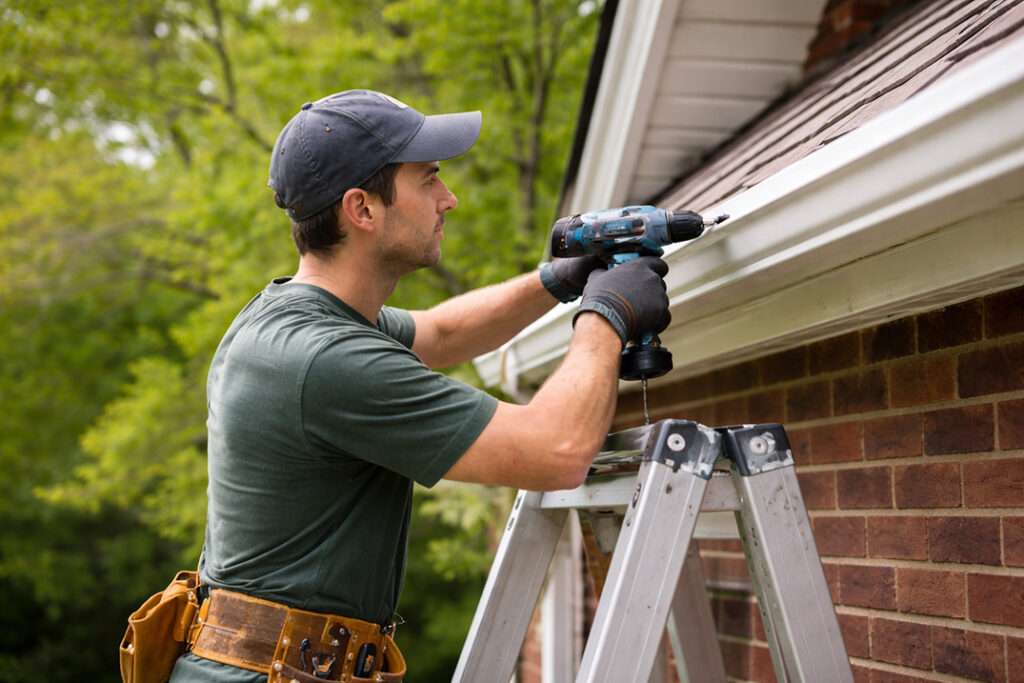
1. Inspect Gutters for Winter Damage or Loose Brackets
Start by checking the condition of the gutter system itself. Look for sagging sections, loose brackets, separated seams, or places where the gutters may be pulling away from the home. Even small shifts can affect how well water drains once it starts raining.
2. Remove Leftover Debris
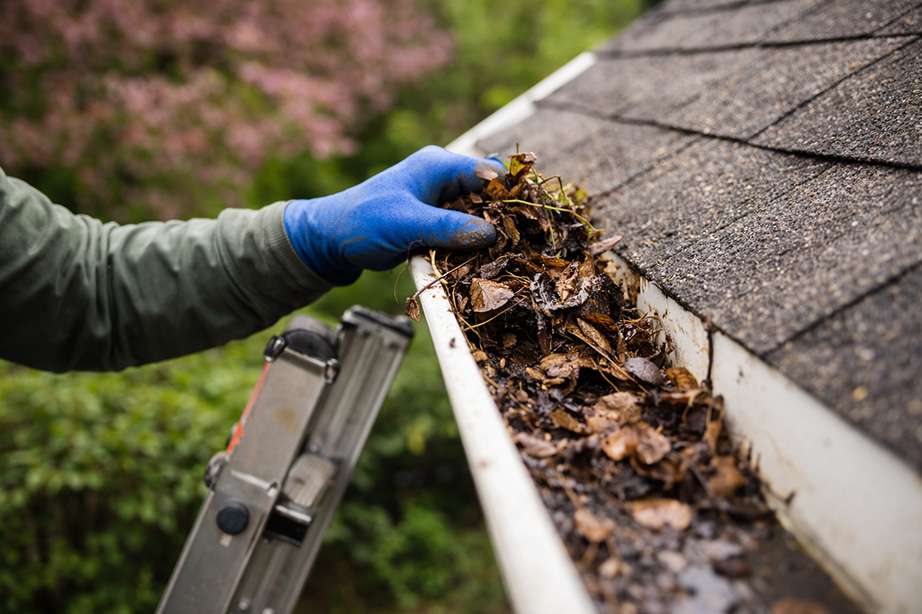
Twigs, leaves, pine needles, and dirt can build up over winter and block water flow. Clearing that debris out is one of the simplest and most important spring maintenance tasks because even a partial clog can lead to overflow.
3. Check for Leaks
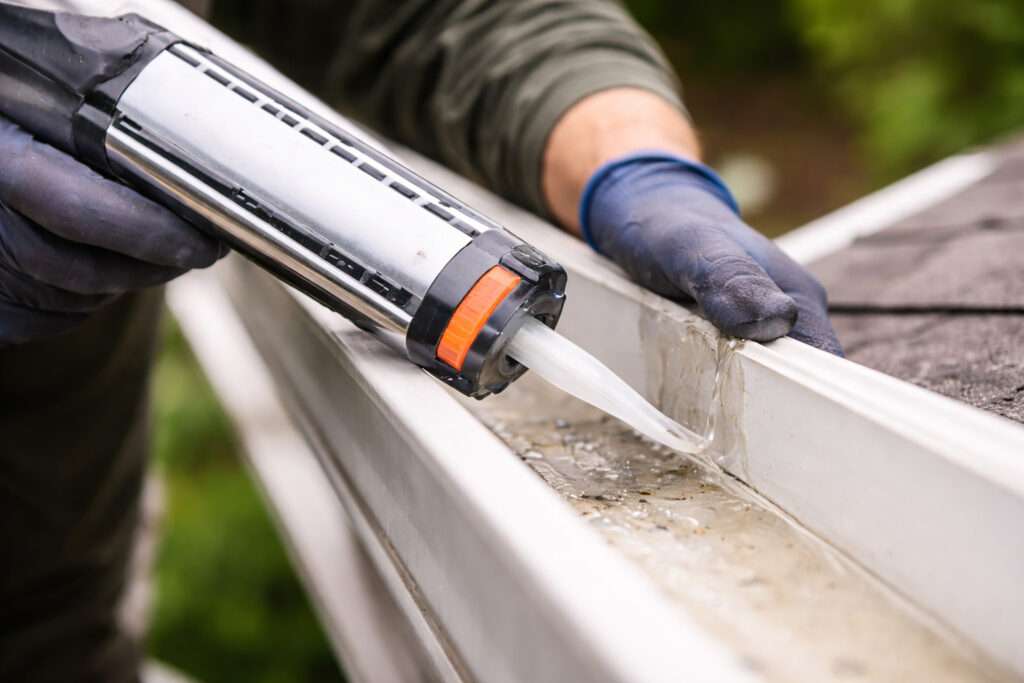
Inspect corners, seams, and joints for drips, rust spots, staining, or visible wear. Small leaks may sometimes be sealed with gutter caulk, but repeated leaking can also be a sign that part of the system is wearing out.
4. Make Sure Downspouts Are Clear
Your gutters can only do their job if the downspouts are working too. Make sure they are free of blockages and allow water to move through normally.
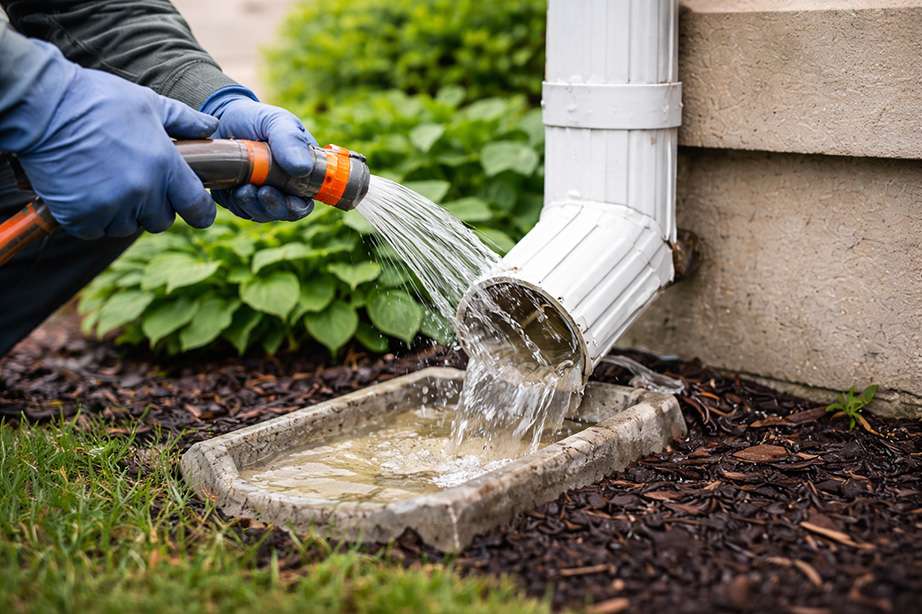
5. Make Sure Water Drains Away From the Foundation
Your gutters can only do their job if the downspouts are working too. Make sure they are free of blockages and allow water to move through normally.
How the Rest of Spring Exterior Maintenance Connects to Your Gutters
The reason this blog fits with a broader spring maintenance calendar is that gutters affect, and are affected by, the rest of your exterior upkeep.
1. Inspect Roof for Damage
Your roof and gutters work together as one drainage system. If shingles are damaged, flashing is loose, or roof edges are worn, water may not flow into the gutters the way it should. Roof problems can lead to gutter problems, and gutter problems can lead to roofline issues.
2. Power Wash Siding and Deck
Power washing is not just about appearance. It can also reveal signs of gutter trouble. Streaking, staining, mildew, or dirty splash patterns on siding may be clues that water has been overflowing or leaking from the gutter system.
3. Check Windows and Doors for Air Leaks
This task is not as directly tied to gutters, but it still belongs on a spring maintenance checklist because it is part of checking how the home came through winter. The U.S. Department of Energy recommends checking windows and doors for air leaks, looking for movement or daylight around frames, and using caulk or weatherstripping where needed.
4. Test Outdoor Faucets and Sprinklers
Testing outdoor faucets and sprinklers helps homeowners understand where exterior water problems may be coming from. If wet areas appear near the home, it is helpful to know whether the source is irrigation, plumbing, or poor gutter drainage.
5. Trim Trees and Shrubs
This is one of the most gutter-related spring tasks on the list. Overhanging branches can drop leaves, seeds, and twigs directly into the gutters, leading to faster buildup and more frequent clogs.
6. Reseal Driveways and Walkways
Resealing protects outdoor surfaces from moisture and seasonal wear. It also fits into the larger conversation about managing water well around the home. If gutters are overflowing or draining poorly, surrounding hard surfaces may show extra wear over time.
7. Inspect the Foundation for Cracks or Leaks
This is one of the clearest connections to gutter performance. When water is not properly directed away from the home, the first signs may appear near the foundation. The EPA notes that drainage problems involving gutters and downspouts can contribute to moisture problems around buildings, which is why foundation checks belong on the same seasonal list.
Why This Checklist Matters
Homeowners often think of gutters as a small maintenance detail, but they play a major role in protecting the home. A gutter issue does not always stay in the gutters. It can lead to staining on siding, erosion near landscaping, drainage concerns around the foundation, or moisture problems around the exterior.
That is why spring is such a smart time to inspect the whole system. You are not just cleaning out leaves. You are checking how your home handled the winter and making sure it is ready for the wetter months ahead.
When It May Be Time for More Than Maintenance
Sometimes spring maintenance leads to a quick cleanup or a small repair. Other times, it shows that the system is no longer functioning as it should.
You may need more than routine maintenance if you notice repeated leaks, sagging sections, loose brackets, separated seams, frequent overflow, or water collecting too close to the foundation. When the same issues keep recurring, repair may not be the best long-term solution.
Keep Gutters on Your Spring Checklist
Spring exterior maintenance works best when homeowners look at the home as a whole. The roof, gutters, siding, drainage, and foundation all work together. When one area is ignored, it can affect the rest.
That is why gutters belong on your spring checklist. They are one of the most important parts of protecting your home from water damage and seasonal wear.
If your gutters have winter damage, leaks, clogs, or drainage issues, Spring Rain Gutters can help. Contact us today to schedule an estimate and get your home ready for the season.